

Why Traditional Tollgates Stall Lean Six Sigma Momentum Process improvement initiatives often stall not because the statistical analysis is flawed or the team lacks commitment, but because administrative effort overwhelms…
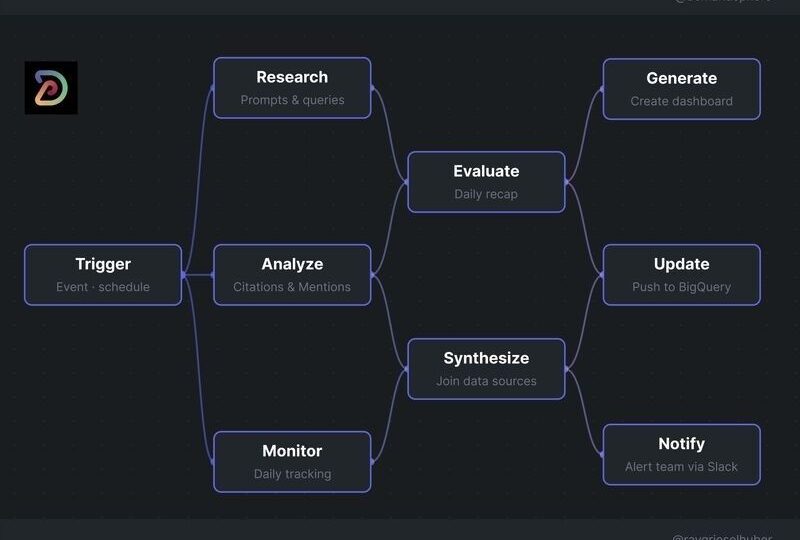
Digital Poka-Yoke: How to Mistake-Proof Enterprise Data Handoffs
The Quiet Erosion of Enterprise Data Quality Enterprise data quality rarely collapses because of one dramatic failure. More often, it deteriorates through hundreds of small handoffs: a customer identifier copied…

Measuring the Intangible: How to Run a Gage R&R on Subjective Decisions
Why Process Improvement Fails When Decisions Depend on Human Eyes Traditional Lean Six Sigma practice often treats a measurement system as a physical instrument. A caliper measures a dimension, a…
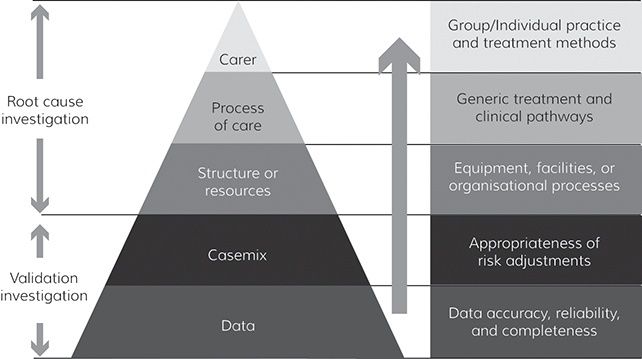
Why Your Baseline Mean Is Lying to You: The Hidden Risk in Capability Analysis
The Dangerous Comfort of Executive Averages Process capability analysis often begins with a number that appears reassuring: the average cycle time, average defect rate, average response time, or average output…

Beyond the Fishbone: How Matrix FMEA Untangles Multi-Factor Process Failures
Why Linear Root Cause Tools Fail Complex Processes Process failures in modern operations rarely originate from one isolated defect. A rejected assembly, an unstable weld, a late shipment, or a…

Value Stream Mapping vs. Process Flowcharts: Which Diagnostic Tool Solves Your Bottleneck?
Why Bottleneck Hunting Often Fails at the Diagnostic Stage Many throughput problems are not caused by a single slow task. They emerge from the way demand, information, materials, capacity, queues,…

Why DMAIC Projects Stall: Fixing the Critical Traps of the Measure Phase
The Measure Phase Trap Where Process Improvement Quietly Dies DMAIC projects often leave the Define phase with visible momentum. The business case is approved, the problem statement is documented, the…
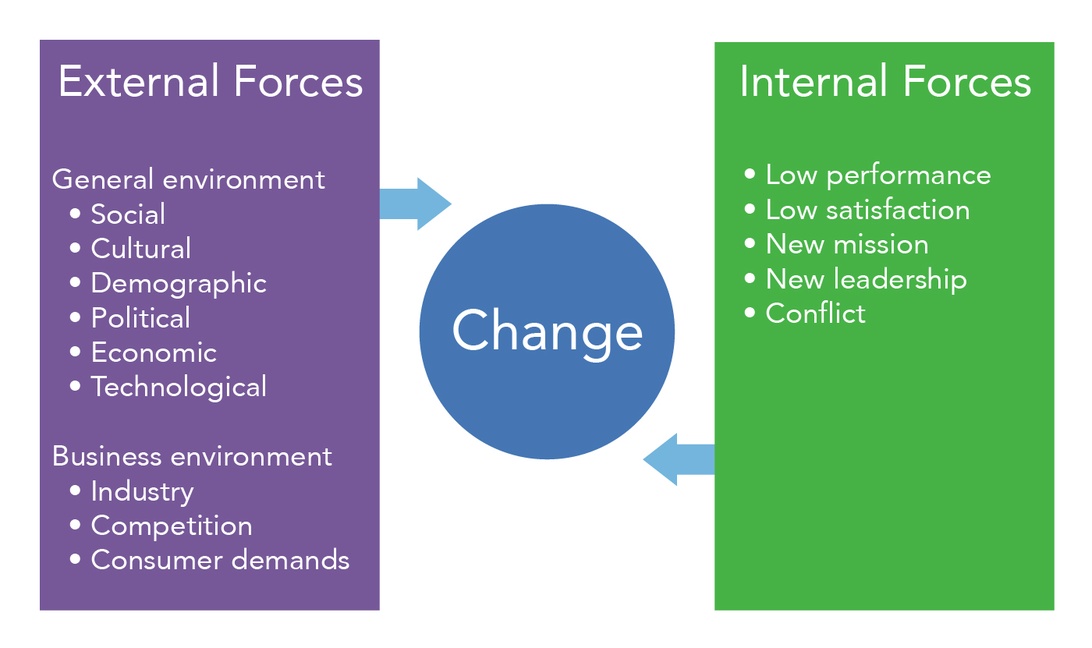
Change Management Models: A Comparative Analysis
Studies reveal that a staggering 70% of change initiatives fail. This alarming statistic underscores the critical need for effective change management in today’s dynamic business environment. Change is not just…

The Role of Emotional Intelligence in Modern Management
In today’s dynamic and interconnected workplaces, emotional intelligence (EQ) has emerged as a fundamental requirement for effective leadership. While technical skills remain important, the ability to understand and manage emotions—both…
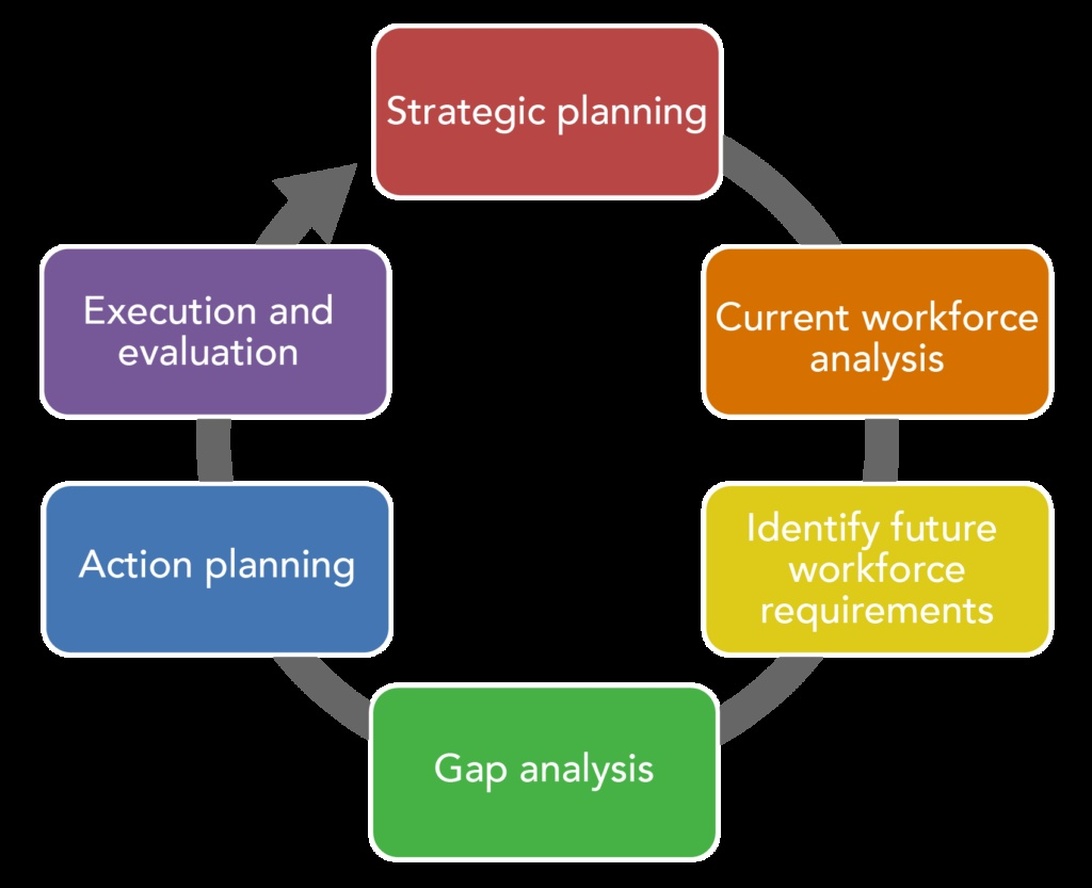
Strategic Workforce Planning: Aligning Talent with Business Objectives
I dagens dynamiska affärsvärld, där förändring är den enda konstanten, har strategisk personalplanering blivit en kritisk framgångsfaktor. Det handlar inte längre bara om att fylla vakanser, utan om att proaktivt…
- 1
- 2
- 3
- 4
- Next Page »